
International safari hub
Kenya & Tanzania Safaris for International Travellers
Tailor-made Big Five safaris across the Masai Mara, Serengeti and Ngorongoro Crater, arranged direct with the Nairobi company that runs them. Start with your own country — the flights, the entry requirements and the best months are different from each one.
- Private 4×4 & driver-guide
- Written quote in 24 hrs
- Owner-operated
Signature routes
Our core safari itineraries
Nature Point Africa is enquiry-based. Every safari is quoted individually once we know your dates, party size and preferred standard of camp, because those three things move the number more than any published rate would suggest.
Kenya & Tanzania Big Five
The classic route: Masai Mara, Serengeti, Ngorongoro Crater and Amboseli, with the border crossing and internal logistics handled for you. See the full day-by-day version on our 10-day Kenya and Tanzania adventure.
Quoted individually- Accommodation Lodges & tented camps
- Park & conservancy fees Included
- Vehicle Private 4×4 with driver-guide
- Meals on safari Full board
Safari & Zanzibar
The same wildlife route, finishing flat on the Indian Ocean — a natural shape for a honeymoon or a long-haul trip. The built version is our 14-day Kenya, Tanzania and Zanzibar getaway.
Quoted individually- Internal flight Nairobi–Zanzibar included
- Beach stay Oceanfront accommodation
- Activities Game drives, spice tour
- Support One named contact throughout
Kilimanjaro Trek & Safari
Africa’s highest peak with a professional mountain crew, paired with a safari either side. Route and duration set by your acclimatisation plan.
Quoted individually- Airport Kilimanjaro International (JRO)
- Crew Guides, porters and camp cook
- Equipment Safety gear and supplementary oxygen
- Add-on Safari before or after the trek
Why book direct
Booking direct with a Nairobi owner-operator
Many Kenya and Tanzania safaris sold in the United States, Britain, Australia, Canada, New Zealand and Singapore are designed abroad and delivered on the ground by an operator in Nairobi, with a margin added between the two. Nature Point Africa is the operator on the ground. The vehicles, the driver-guides and the lodge relationships are ours.
The practical difference is not only price. It is that when you ask which camp has the better hide, or whether a nine-year-old will manage the crater road, or whether your dates will actually catch the crossings, the answer comes from someone who was there recently rather than from a supplier note.
Choosing your months
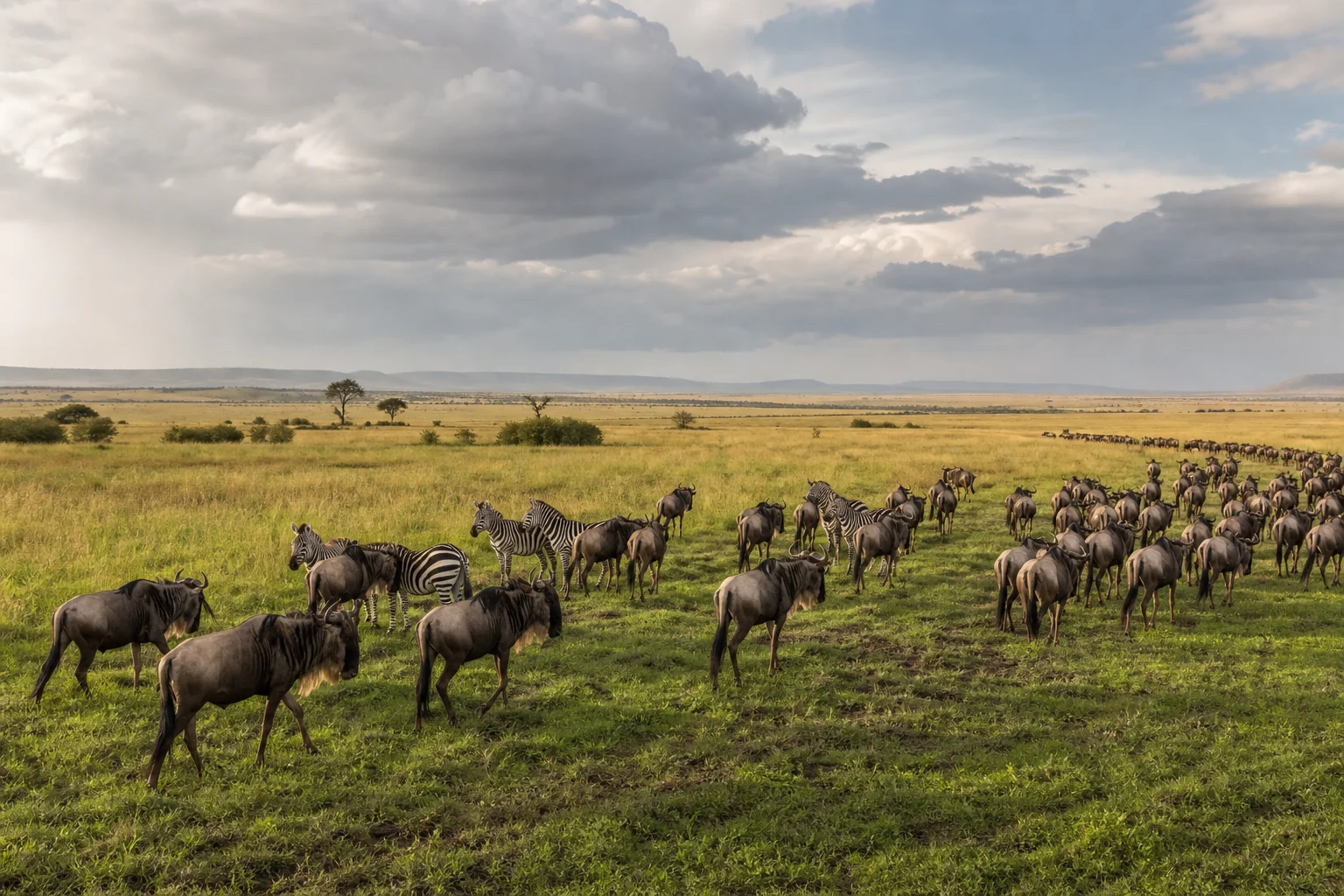
The wildebeest herds are in the Masai Mara roughly July to October and in the Serengeti December to March. The Mara River crossings usually peak in August and September. December to February is the southern Serengeti calving season, which produces the strongest predator viewing of the year. April and May are the long rains, and we will say so rather than sell you a difficult trip. Our guide to the Great Migration in Kenya goes month by month.
Flights and entry requirements
How you get here is genuinely different depending on where you start: the routings from New York, London, Sydney, Toronto, Auckland and Singapore have almost nothing in common. Each country page above sets out realistic planning for that market, the entry checks for that passport and the school-holiday windows that matter there. Airlines and schedules change seasonally, so every page asks you to verify current carriers and timings when booking.
Most visitors enter Kenya on an online Electronic Travel Authorization, with a separate Tanzania e-visa for the Serengeti and Ngorongoro leg. Requirements and fees vary by nationality, so verify them on the official government portals before booking flights.
Three landscapes
See the landscapes behind the itinerary
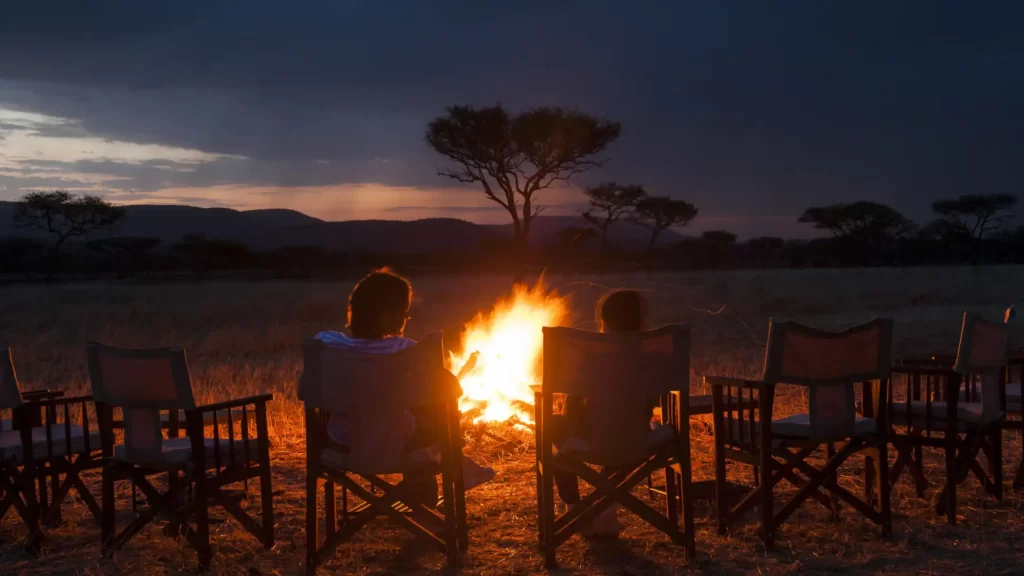
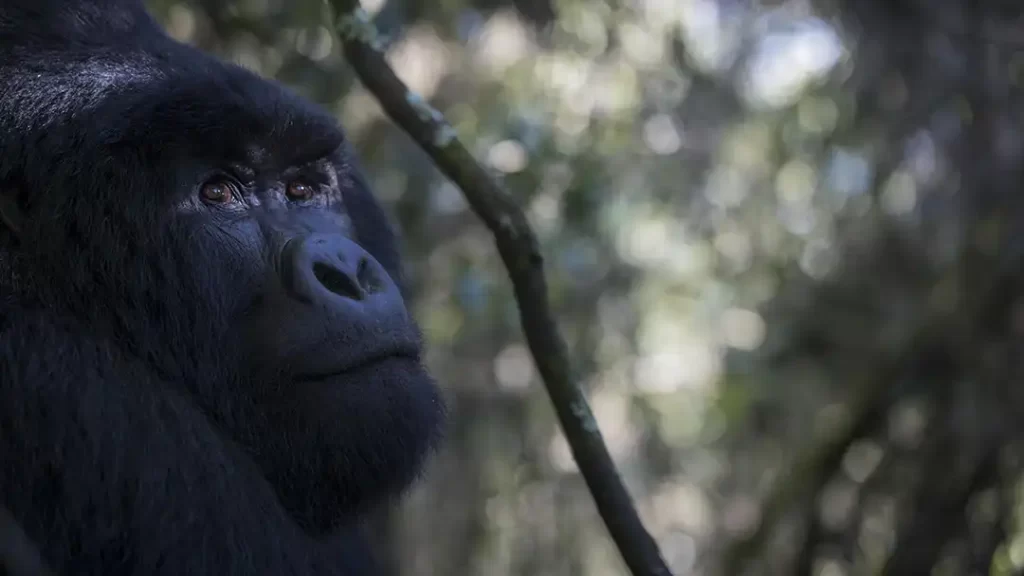
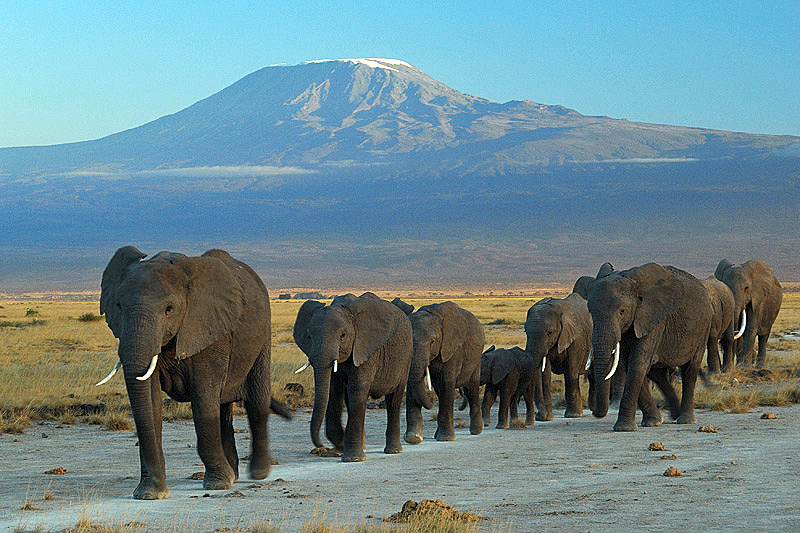
A strong safari route is not a checklist of parks. It should connect distinct habitats, keep transfer days sensible and leave enough time for wildlife encounters to unfold. These three landscapes are useful starting points when deciding what matters most to you.
How we work
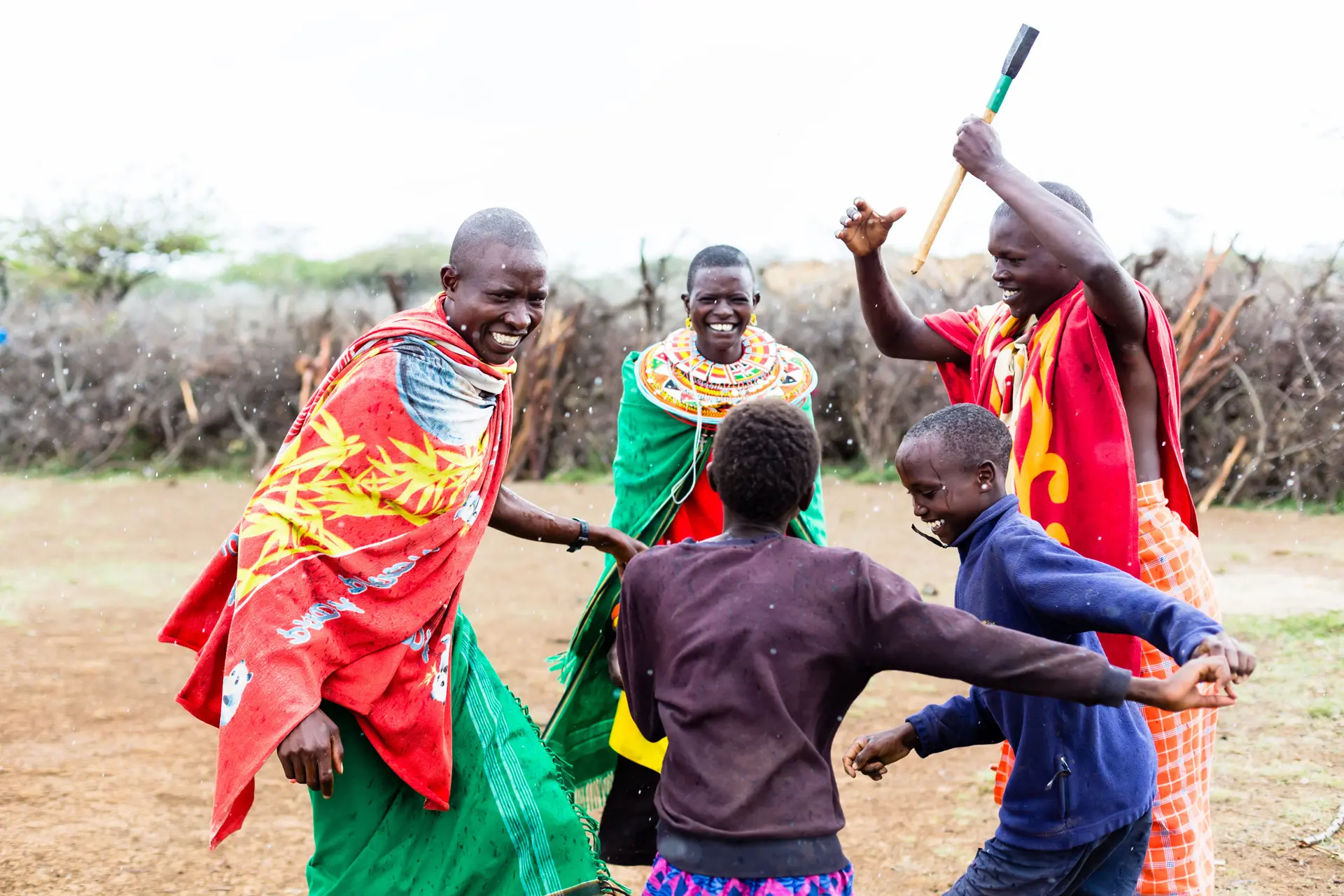
One team, start to finish
From your home airport to the last game drive, the same team handles it.
Tailor-made, not packaged
Every itinerary is built for the party travelling it. There is no fixed departure and no shared vehicle.
One named contact
The person who writes your quote is the person who answers while you are on safari. No handover to a different department.
Written before it is booked
A written itinerary, an itemised quote and our terms, before any money moves.
Owner-operated in Nairobi
You are dealing with the company that runs the safari, not with a reseller who has contracted it out.
How many days should your Kenya and Tanzania safari take?
Compare realistic 7, 10, 12 and 14-day routes before choosing parks and lodges. The guide explains transfer days, family pacing, migration planning and when a two-country itinerary becomes too rushed.
Start planning
Request your tailored safari quote
Tell us a little about the trip and we will send a written, itemised quote in your currency, normally within 24 hours.
Good to know