
Gorilla trekking costs are driven mainly by the permit: a gorilla permit is US$800 per person in Uganda and US$1,500 per person in Rwanda. Once you add accommodation, transport, a private guide and park fees, a tailor-made gorilla trekking safari with Nature Point Africa starts from around US$3,000 per person, rising with the lodge standard, the country and the length of the trip.
The permit is only part of the picture, though, and it is the one cost people underestimate. This guide breaks down exactly what a gorilla trekking safari costs in 2026 — permits, what they include, what makes up the rest of the price, and how to bring the total down without spoiling the experience. To plan a trip around it, see our Uganda safaris and Rwanda safaris.
Gorilla trekking cost at a glance
| Country | Gorilla permit (per person) | Typical full trip (per person) |
|---|---|---|
| Uganda (Bwindi / Mgahinga) | US$800 | From US$3,000 |
| Rwanda (Volcanoes National Park) | US$1,500 | From US$4,000 |
| DR Congo (Virunga) | ~US$400 | Varies – security-dependent |
Permit prices are set by each country’s wildlife authority and change from time to time, so always confirm the current rate when you book. The “full trip” figures include the permit plus accommodation, ground transport, a driver-guide and park fees for a typical short itinerary.
What a gorilla permit includes
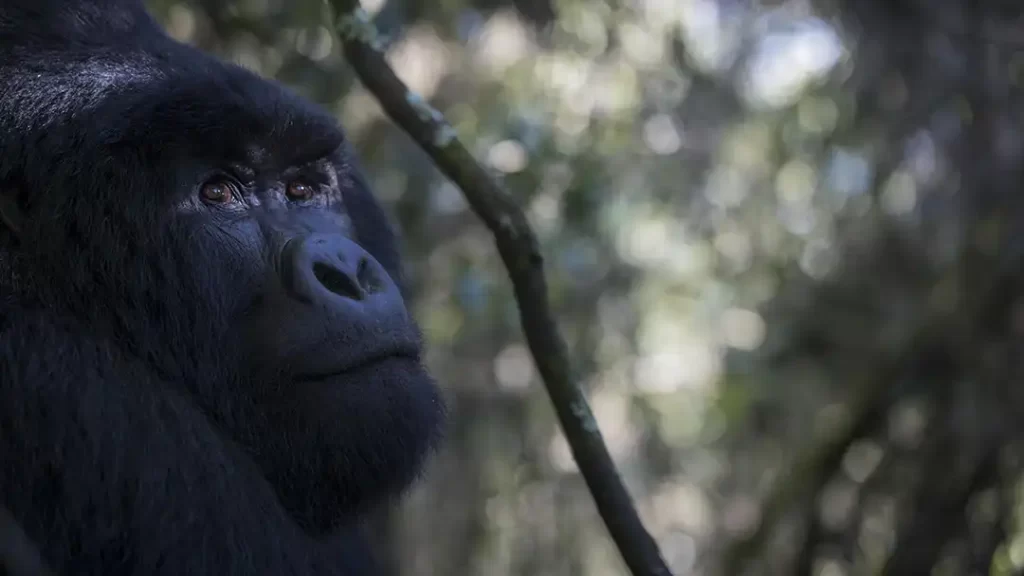
A gorilla permit is not just a ticket — it covers a tightly managed conservation experience. Each permit gives you:
- One hour with a habituated gorilla family, once you reach them
- Park entry and the services of trained ranger-guides and trackers
- A strict limit of eight visitors per gorilla group per day, which is why permits are limited and sell out
The fee is a cornerstone of gorilla conservation: it funds ranger patrols, veterinary care and community projects around Bwindi and Volcanoes National Park. Uganda also offers a longer gorilla habituation experience permit (around US$1,500) that gives you four hours with a family that is still being habituated.
What determines the total cost of a gorilla trekking safari
Beyond the permit, five things move the final price:
1. Accommodation tier
This is the biggest variable. Budget lodges and guesthouses can be US$40–100 per night; mid-range lodges US$150–350; luxury lodges near the parks US$600–1,500+ per night.
2. Transport and access
The gorilla parks are remote. You either drive (a private 4×4 with a driver-guide, the usual choice) or fly to a nearby airstrip and transfer, which is faster but adds cost. Fuel and the long approach roads are built into any honest quote.
3. Group size
Vehicle, guide and some fixed costs are shared, so travelling as a couple or small group lowers the per-person price compared with a solo trip.
4. Trip length and combinations
A focused 3-day gorilla trip is the cheapest way in. Many travellers add wildlife parks, chimpanzee tracking or the Big Five — each extra day adds cost but a lot of value on a long-haul trip.
5. Season
Permit prices are fixed year-round, but lodge rates rise in the dry-season peak (June–September, December–February). The green season can be noticeably cheaper.
Uganda vs Rwanda: which costs more?
Rwanda is the premium option and Uganda the value option. The core difference is the permit: US$1,500 in Rwanda versus US$800 in Uganda. Rwanda’s advantage is convenience — Volcanoes National Park is a roughly two-to-three-hour drive from Kigali airport, so a gorilla trek is doable in a very short trip. Uganda’s Bwindi is a longer drive (or a short flight), but the lower permit and lodge prices make the overall trip meaningfully cheaper, and Uganda pairs beautifully with chimpanzees and savannah parks. If budget is the priority, choose Uganda; if time is tighter than money, Rwanda wins. Our guide to choosing between the East African countries goes deeper.
Sample gorilla trekking budgets (per person)
Comfortable — from ~US$3,000 (Uganda, 3–4 days)
One gorilla permit, comfortable mid-range lodges near the park, and a private 4×4 with a driver-guide throughout. A focused, well-run trip — and the trek itself is identical at every tier, because the gorillas do not know what you paid.
Premium — ~US$4,500–7,000
Higher-end lodges, a private guide, and usually a second activity or country added — chimpanzees, golden monkeys, a savannah park, or a Rwanda permit.
Luxury — US$8,000+
Top lodges, flights to the nearest airstrip, private guiding and often a Rwanda trek. Common for honeymoons and once-in-a-lifetime trips.
Best time to go — and why booking early saves money
The best trekking conditions are the drier months of June to September and December to February, when forest trails are less muddy. Because only a fixed number of permits are issued each day, dry-season and holiday permits sell out months ahead — we recommend booking 3–6 months in advance, and earlier for peak dates. Travelling in the green season (March–May, October–November) means lower lodge rates and better availability, in exchange for wetter trails.
How to reduce your gorilla trekking cost
- Choose Uganda over Rwanda for the US$700 permit saving alone, plus cheaper lodges.
- Travel in the green season for lower accommodation rates.
- Share the trip as a couple or small group to split vehicle and guide costs.
- Keep it focused — a 3-day single-permit trip is the lowest-cost way to see gorillas.
- Book early to secure permits and lock lodge rates before peak-season increases.
Frequently Asked Questions
How much does a gorilla permit cost?
A gorilla trekking permit costs US$800 per person in Uganda and US$1,500 per person in Rwanda. DR Congo (Virunga) is cheaper at around US$400 but has security considerations. Permit prices are set by each country’s wildlife authority and can change, so confirm the current rate when booking.
Why is gorilla trekking so expensive?
The permit funds intensive conservation: ranger patrols, veterinary care, and community programmes that have helped mountain gorilla numbers recover. Only eight visitors are allowed per gorilla family per day, so permits are deliberately limited — the high price protects both the gorillas and the quality of the experience.
Is gorilla trekking cheaper in Uganda or Rwanda?
Uganda is cheaper. Its permit is US$800 versus Rwanda’s US$1,500, and its lodges generally cost less. Rwanda’s higher price buys convenience — Volcanoes National Park is only a few hours from Kigali airport, making a very short trip possible.
What is included in a gorilla permit?
The permit covers park entry, ranger-guides and trackers, and one hour with a habituated gorilla family once you reach them. It does not include accommodation, transport, meals or your international flights — those are quoted separately as part of your safari.
How much is a full gorilla trekking safari?
With Nature Point Africa, a tailor-made gorilla trekking safari starts from around US$3,000 per person and rises with the accommodation standard, the country, your group size and the length of the trip. That figure is fully itemised, and the gorilla permit is included in the quote.
Do I need to book gorilla permits in advance?
Yes. Only a limited number of permits are issued each day, and dry-season and holiday dates sell out months ahead. We recommend securing permits 3–6 months before travel, and earlier for peak periods.
Plan your gorilla trekking safari
Gorilla trekking is one of the few wildlife experiences that lives up to every expectation — and getting the cost right starts with securing the right permit on the right dates. As a local, ground-based operator, Nature Point Africa arranges permits, lodges and transport across Uganda and Rwanda, with clear, itemised pricing. For more on the experience itself, read our ultimate primate safari guide, or get in touch for a tailor-made quote.