


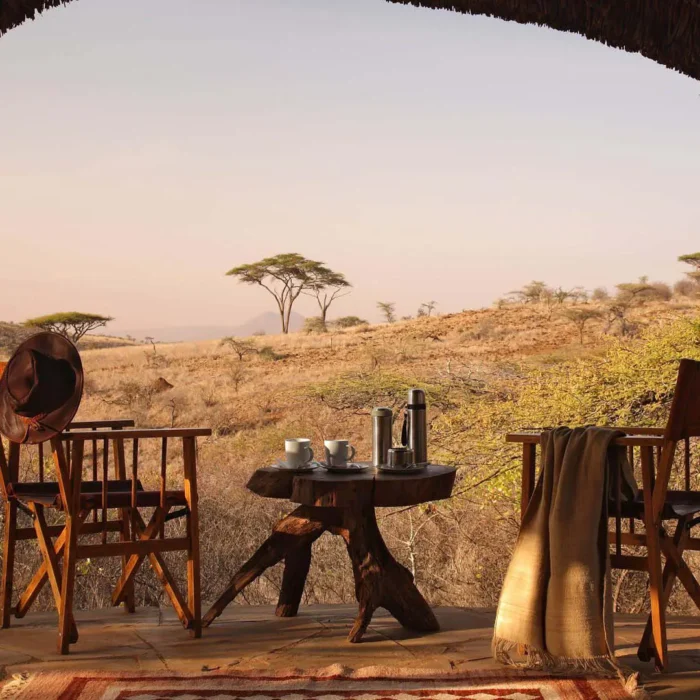
Lewa Wildlife Conservancy stands as a beacon of conservation excellence, where the commitment to preserving wilderness harmoniously coexists with nurturing life. Located against the picturesque backdrop of Mount Kenya, Lewa is a haven for endangered species, playing a pivotal role in the conservation of rhinoceros, Grevy’s zebras, and reticulated giraffes.
As you embark on a journey through Lewa’s landscapes, you’ll witness a unique blend of breathtaking scenery and thriving wildlife. Beyond its conservation efforts, Lewa is dedicated to community engagement, fostering a sustainable relationship between local communities and the natural environment.

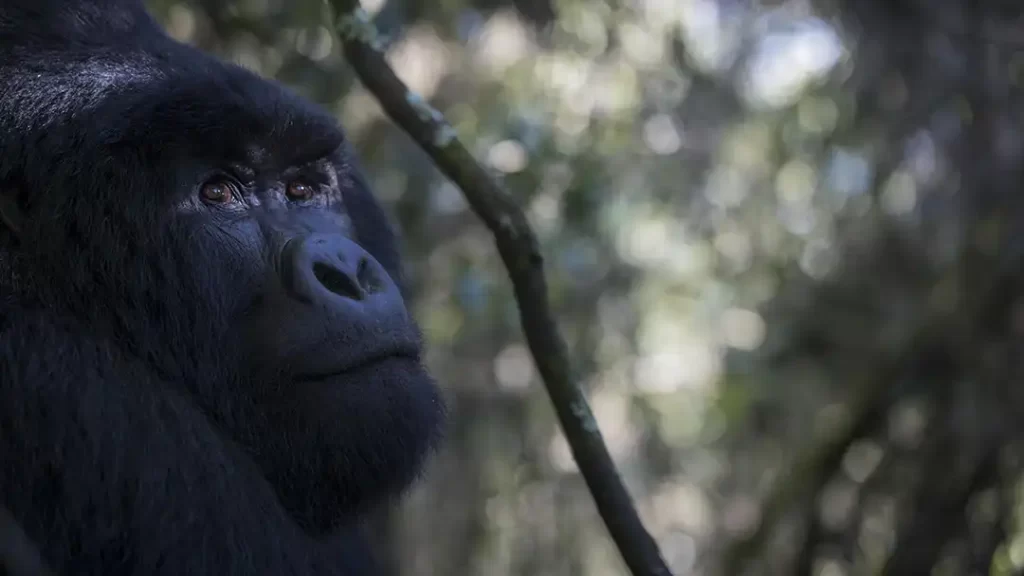
Lewa is a stronghold for endangered species, particularly rhinoceros. Visitors have the rare opportunity to witness these magnificent creatures in a protected environment.

Home to one of the largest populations of Grevy’s zebras, Lewa is actively involved in their conservation, contributing significantly to the preservation of this endangered species.

Lewa provides a safe haven for the reticulated giraffe, allowing visitors to observe and appreciate these graceful creatures within their natural habitat.

Lewa’s commitment extends beyond wildlife, actively involving local communities in conservation efforts, creating a sustainable coexistence between people and nature.





July to October

November to May

January to March

No results found.
EXCELLENT Based on 63 reviews
 Posted on Tripadvisor
 Daidrie GGreat Trip! Excellent customer service, patient, knowledgeable and helpful. The team Charles provided us was A1! Both Kelvin and Dennis were personable and funny! Totally recommend this company! Daidrie G.Posted on Tripadvisor
 Nathaniel BTop notch experience and formed friendships for the future I was referred to nature point Africa by several friends and colleagues who previously used this business during their trip to Kenya. Nature point came highly recommended and let me tell you they did not disappoint at all. Communication was seamless and an itinerary was set up for me in advance after discussing some of my interests. Any changes could be accommodated very quickly. Although I only spent two days in Nairobi, my experience with Charles and Kelvin was nothing short of amazing. I highly recommend this company.Posted on Tripadvisor
 Kathy1025Naturepoint Africa is #1! I researched MANY companies before deciding on Naturepoint Africa so I can save you some time and just tell you to contract with Naturepoint and bypass all the others. If I could give Charles and his team 10 stars I would gladly! My daughter and I spent 7 days in Kenya starting with driver/guide Sydney in Nairobi for the Elephant Orphanage and Giraffe Center before embarking on our safari to Amboseli, Maasai Mara and Lake Nakuru. Our driver/guide Edward was the BEST! We absolutely loved him and he is someone neither of us will ever forget. Edward is professional, knowledgeable and brings years of experience to the adventure! Not to mention the fact that he is a very skilled driver, navigating the terrain with ease. We owe it to Edward for taking us to just the right places to see, not only the Big 5, but every animal and bird in Kenya. He knew exactly where to go and where to position the vehicle so that we would have the best and closest view of the animals. Because of Charles and Edward, Kenya has left its mark on my heart and soul forever.Posted on Tripadvisor
 Julie SFelt very reassured booking with Naturepoint. We had the most amazing time on our safari in Kenya and Tanzania in June 2026. We are from Sydney, Australia and travelled with our son and his fiance which in itself was very special. It took me about 3 months to get my head around arranging and booking the trip as there really are so many options to choose from. We eventually decided on booking with Naturepoint and our itinerary, as our son wanted to finish the trip with climbing Mt Kilimanjaro. I honestly can't remember how I found Naturepoint as I looked at a lot of companies. But I did look at reviews on Tripadvisor which were all very favourable and 5 star. Once I started communicating with Charles, the owner, I knew he was committed to our trip. Nothing, and I mean nothing, was too much trouble or too stupid a question, and I had lots of them. The communication was amazing, to the point where I had to say to Charles, don't reply until you're back in the office. I was sending emails on weekends, late at night, early mornings, anytime I had the time and I would get replies from Charles and his offsider Lucy virtually straight away. We had a driver, Isaac, and a guide, Kelvin, in Kenya and Jeff our guide in Tanzania, they were all amazing. So helpful, and knowledgable. We learnt so much from them and saw the BIG 5 many times over. All 4 of us felt the same. We honestly can't recommend them highly enough. Do it and you won't regret it I'm sure.Posted on TripadvisortynusskaGreat experience! What a great experience! While planning the trip as well as during the trip, we had such a great support in Naturepoint Africa. Also, we were very happy to spend whole 6 days in the car with Patrick. He was such a great driver and guide and managed not to get crazy because of having 4 shouting kids in the car! The accomodation was wisely choosen as per our instructions and the price was very very reasonable of the whole trip. What I liked the most is that they have considered our wishes and expectations and with their imput and recommendations we really had a great time. I can only recomend! Thank you.Posted on Tripadvisor
 Nigel C???Friendly, organised and incredibly knowledgeable ??? NaturePoint Safari made every moment in the wild truly unforgettable ??????????????? An Absolutely Unforgettable Experience ??? 5 Stars Where do I even begin? From the very first contact with the NaturePoint Safari team, we felt completely welcomed and at ease. Charles and his crew have a warmth about them that is instantly disarming, kind, friendly, and genuinely passionate about what they do. You don't feel like a customer; you feel like a guest in their home town. The organisation from start to finish was seamless. Every detail had been thought through ??? transfers, accommodation, meals, timing, nothing was left to chance. As someone who likes to know the plan, this was hugely reassuring, and it meant we could simply relax and soak in the experience rather than stress about logistics. But what truly sets NaturePoint apart is the knowledge their guides bring to every game drive. Their understanding of the area ??? the ecosystems, the animal behaviours, the best routes and vantage points ??? is extraordinary. It's the kind of deep, lived knowledge you simply can't find in a guidebook. They explained everything with such enthusiasm and patience, and we came away having genuinely learned so much about the world we were visiting. And the spotting! Honestly, our guides had the most incredible eagle eyes we have ever encountered. Time and again, they would slow the vehicle and point out an animal in the distance that none of us would ever have seen ??? a leopard half-hidden in the shade of an acacia, a cheetah lying in the grass, a family of elephants moving silently through the brush. If you are considering a safari and want a team that combines expert knowledge of the area, genuine warmth, flawless organisation, and the kind of eagle-eyed wildlife spotting that leaves you breathless ??? look no further than NaturePoint Safari. Thank you to Charles, Patrick, Efraem, Simon and Kelvin for the most amazing trip. We will absolutely be back. Lisa and Nigel Cox - Melbourne, Australia.Posted on Tripadvisor
 Donna SIncredible Safari Our African Safari was an epic adventure for us. So glad we booked through naturepoint Africa. Charles coordinated the perfect safari for us, and, and after comparing costs of several safari companies, Naturepoint Africa easily came out on top cost wise. The route and national parks Charles mapped out for us to visit, was perfect. The wildlife viewing in each park was spectacular. The lodging was also wonderful, and each place offered a unique experience. Our guides/drivers were very experienced and knowledgeable regarding each area we visited. This trip will be truly unforgettable, and we are so glad we selected Naturepoint Africa to arrange our safari experience.Posted on Tripadvisor
 laughinghuskyEven better than last time My husband and I just returned from our second trip with Charles and Patrick. This time, with friends from Alaska. As last time, it was a superb trip. We spent almost 3 weeks on the road and in all that time there was not a bad day. The guys were super, every place they chose was great. I swear that they put the lions and elephants on the payroll. The Lodges were extremely comfortable, the food, mostly buffet style was good and usually a large variety to choose from. I celebrated my 84th birthday there and could Not have been with better People. We covered a lot of Ground( and roads) because we wanted to go several places not all that easy to get to. If you are thinking of an East African Safari, these are these are the people who can do it for you, and within your budget. Charles and Patrick left as friends on our Last trip. This safari was like leaving our African family.Posted on Tripadvisor
 msdeemackExcellent Trip The trip was well-planned and the itinerary was catered to what we wanted. Charles and his staff provided excellent customer service and was attentive to our needs. I will definitely recommend Naturepoint Africa.Posted on Tripadvisor
 janvierk2017professionnel et bienveillant Guide tr??s professionnel et bienveillant. Je recommande.





The best time to visit Kenya for wildlife safaris is during the dry seasons (June to October and December to March), when animals are easier to spot due to sparse vegetation and concentrated water sources.
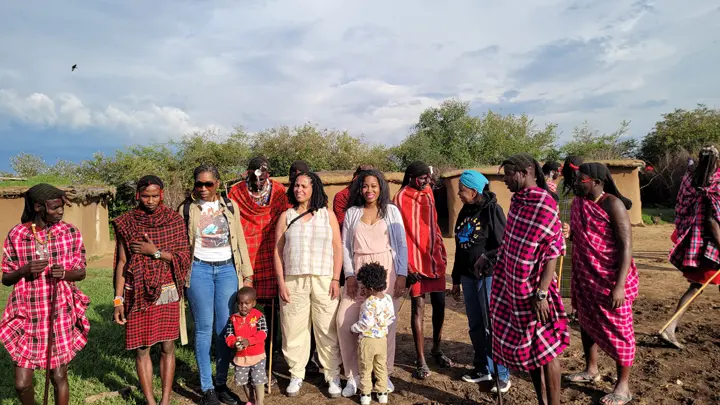
Yes, Kenya is rich in cultural diversity, with opportunities to engage in cultural visits, interact with local communities, and learn about traditional customs, music, dance, and cuisine.
Most visitors to Tanzania require a visa, which can often be obtained upon arrival or online prior to travel. It's advisable to check the specific requirements based on your nationality before departure.
Swahili and English are widely spoken languages in Kenya, although numerous ethnic languages are also spoken by local communities.
Yes, major international airports in Kenya, such as Jomo Kenyatta International Airport in Nairobi and Moi International Airport in Mombasa, offer direct flights from various cities around the world.
Credit cards are accepted in major cities and tourist areas, but it's advisable to carry cash, especially in rural areas where card acceptance may be limited.
The currency used in Kenya is the Kenyan Shilling (KES).
Yes, wildlife can often be seen in conservation areas, private reserves, and community-owned conservancies, offering alternative options for wildlife viewing away from crowded national parks.
While Kenya is generally safe for tourists, travelers should exercise caution, especially in urban areas and tourist hotspots. It's advisable to stay informed about local conditions and follow any travel advisories issued by your government.
Essential items to pack include lightweight clothing, sturdy walking shoes, a hat, sunscreen, insect repellent, binoculars, a camera, and any necessary medications or personal hygiene products.
Common vaccinations recommended for travel to Kenya include yellow fever, typhoid, hepatitis A, and malaria prophylaxis.
Yes, travel insurance is highly recommended to cover unexpected emergencies, medical expenses, trip cancellations, and other unforeseen circumstances during your trip.
Health risks in Kenya include malaria, dengue fever, and other mosquito-borne diseases, as well as food and waterborne illnesses. Travelers should take necessary precautions and consult a healthcare provider before departure.
Yes, car rental services are available in major cities, but driving conditions can be challenging, and navigation may be difficult in rural areas. It's advisable to hire a local driver or guide for a safer and more convenient experience.
Kenya's climate varies by region, ranging from tropical along the coast to temperate in the highlands. The dry seasons generally coincide with the best times for wildlife viewing, while the rainy seasons can vary in intensity and duration.
Tipping practices vary by service provided, but it's customary to tip safari guides, hotel staff, and restaurant servers for excellent service.
Safari adventures crafted and operated by a team born and raised in Kenya, Tanzania, Rwanda, and Zanzibar who know every detail of both countries.
Emotionally engaging journeys guaranteed through trips designed and meticulously planned in-house.
Experience stays in top-notch accommodations selected for their quality, comfort, and unique offerings, enhancing the overall travel experience.
Participate in thrilling activities curated to provide a memorable and exciting adventure during your East African safari.
Immerse yourself in the richness of local experiences, guided by a team with deep-rooted connections to the region.
Rely on an award-winning travel company recognized for excellence and commitment to providing outstanding travel experiences.






No Accommodations
No Accommodations
No Accommodations
No Accommodations
No Accommodations
No Accommodations
No Accommodations
No Accommodations
No Accommodations

Where would you like to go?
Pick one or more — we build across borders.
What are you most excited about?
Choose any that apply.
Please choose at least one destination.
Tell us about the trip
Rough answers are fine — we'll refine together.
Excluding international flights
Where should we send your plan?
A real safari specialist replies within 24 hours.
Choose how you'd like to send it:
Please add your name and a phone or email.
Thank you — we've saved your trip and a specialist will be in touch shortly.
Top Destinations